The 20-20-20 Rule for Eyes: How to Make It a Habit
Why it works
Close work keeps the ciliary muscle contracted. Looking far away lets it relax. The pause also restores natural blinking, protecting the tear film (NEI).
Making it stick
- Set a recurring 20-minute timer
- Use browser extensions or break apps
- Place a plant or window view at distance
- Pair it with sips of water
Beyond 20-20-20
Add hourly stretch breaks, correct screen height and good lighting. See digital eye strain relief and eye health for remote workers.
The science of focusing
Your eye focuses on near objects by contracting the ciliary muscle, which lets the lens become rounder. This is called accommodation. Holding near focus for long periods is like holding a weight at arm's length: the muscle tires. Looking at something 20 feet (6 metres) away lets the muscle relax almost completely. Twenty seconds gives it time to release tension, and repeating the break every 20 minutes stops fatigue building up.
Adapting the rule to real workdays
Busy people often skip breaks during deep work. Practical adaptations:
- Micro-break: look out a window while a file loads or a page refreshes.
- Meeting habit: look away from the screen while listening during video calls.
- Phone calls: take them standing at a window.
- Pomodoro pairing: at each 25-minute timer, do a 20-second distance gaze plus a stretch.
Even imperfect use of the rule helps more than none.
Blinking: the forgotten half
Studies show we blink far less and less completely while concentrating on screens. Incomplete blinks don't spread the tear film properly, leading to dry spots. During each 20-second break, try three slow, full blinks: close the eyes gently, pause, then squeeze lightly before opening. This spreads oil from the eyelid glands that slows tear evaporation (NEI).
Tools that help you remember
- Built-in break reminders in many operating systems
- Free browser extensions that dim the screen every 20 minutes
- Smartwatch hourly reminders
- Sticky note on your monitor: '20-20-20'
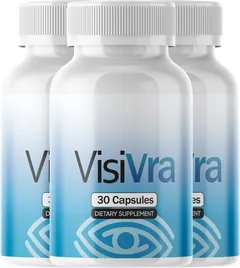
Combine the rule with good nutrition, such as the carotenoids in Visivra, for both outside and inside support.
The 20-20-20 rule for different jobs
The rule adapts to almost any job. Office workers can link breaks to sending an email or finishing a task. Programmers can look away while code compiles or tests run. Designers and editors working in detail-heavy software benefit from frequent breaks because they focus intensely for long periods. Students can take a break at the end of each page or problem. Drivers on long journeys should take regular rest stops for many reasons, including eye fatigue. Even people reading printed books or doing crafts such as sewing benefit, because any sustained near work tires the focusing muscles.
Does the 20-20-20 rule really work?
The rule is a practical guideline rather than a precisely tested formula, but the principle behind it is sound. Studies of office workers have found that regular short breaks reduce eye strain symptoms without lowering productivity. Breaks encourage blinking, relax the focusing system and give the neck and shoulders a rest. The exact numbers matter less than taking frequent breaks and looking into the distance. Some people find a 30-30-30 or 20-20-20 variation works better for their schedule. The best version is the one you actually follow consistently throughout the day.
Combining breaks with a healthy routine
The 20-20-20 rule is most effective as part of a broader routine. Set up your screen at the right height and distance, use good lighting, keep the air from becoming too dry and stay hydrated. Have regular eye exams so your prescription stays accurate, and get enough sleep. Eat a diet rich in leafy greens, eggs and fish to support your eyes from the inside. Together, these habits address almost all of the common causes of screen-related eye discomfort. Our guide to eye health for remote workers turns them into a simple daily plan.
Teaching the rule to children
Children can learn the 20-20-20 rule too. Make it a game: every 20 minutes of tablet or homework time, ask them to find something far away out of the window and describe it for 20 seconds. Kitchen timers or app reminders help. Encourage outdoor play, which naturally involves looking into the distance. These habits support comfort now and may support healthy eye development, since outdoor time is linked to lower rates of nearsightedness in children.
Supporting from within
Screen comfort also depends on nutrition. Lutein, zeaxanthin and astaxanthin in Visivra support the eye during long days.
Frequently Asked Questions
Does the 20 feet need to be exact?
No, any distant point works.
Can I close my eyes instead?
Closing your eyes helps, but distance focus relaxes the muscle better.
Is the rule good for kids?
Yes, children benefit from regular screen breaks too.
What if I don't have a view 20 feet away?
Look down a hallway or across the room. The farther the better.
Does the rule help with headaches?
It may reduce strain-related headaches. Frequent headaches should be checked by a doctor.
Sources
This article is for general education and is not medical advice. Back to the Visivra official guide or see current Visivra pricing.