Lutein and Zeaxanthin Benefits for Eyes: What's Proven
Why the macula needs them
The macula is responsible for sharp central vision. Its yellow colour comes from lutein and zeaxanthin, which absorb high-energy blue light before it reaches photoreceptors (MedlinePlus). Researchers measure this protective layer as macular pigment density.
What the research shows
- AREDS2: 10 mg lutein + 2 mg zeaxanthin replaced beta-carotene and performed as well or better, without beta-carotene's lung cancer risk in former smokers (NEI).
- Macular pigment studies: supplementation raises pigment density over months (PubMed).
- Visual comfort: some trials report better glare recovery and contrast sensitivity.
Food sources
Kale, spinach, collard greens, egg yolks, corn, orange peppers and pistachios. The average US diet provides only 1 to 2 mg a day, well below research doses. See foods for eye health.
Benefit 1: Built-in blue-light filtering
Macular pigment sits in front of the photoreceptors that handle sharp central vision. It absorbs short-wavelength blue light, which carries more energy than other visible light. Lab and population research suggests this filtering helps limit light-induced oxidative stress in retinal tissue. You can't feel the filter working, but people with denser macular pigment tend to handle bright light and glare better. See glare sensitivity for why that matters on the road and at the computer.
Benefit 2: Antioxidant protection
The retina uses a great deal of oxygen and is constantly exposed to light. That combination produces reactive oxygen species. Lutein and zeaxanthin can quench these molecules before they damage cell membranes rich in fatty acids. This is one reason the AREDS2 investigators studied them as a safer substitute for beta-carotene. Their antioxidant role also explains why they appear in eye formulas alongside other antioxidants such as astaxanthin and bilberry.
Benefit 3: Visual performance
Several controlled trials have looked at visual performance, not just disease. They measured contrast sensitivity, glare recovery time and photostress recovery. Results vary between studies, but a number found modest improvements after four to twelve months of supplementation, especially in people who started with low macular pigment (PubMed). These are subtle changes. Users tend to describe them as 'less washed out in bright light' or 'quicker to recover after headlights'.
Benefit 4: Support for aging eyes
Macular pigment can decline with age, especially in people who smoke or eat few vegetables. The NEI lists age as the strongest risk factor for macular degeneration. Lutein and zeaxanthin don't prevent aging, but keeping intake high is one of the few nutrition steps backed by large trial data. It's a sensible part of eye health after 60.
Who benefits most
- People with low intake of greens and eggs
- Smokers and ex-smokers (after quitting)
- Adults over 50
- People with a family history of AMD, after talking to their doctor
- Heavy screen users looking for comfort support
People who already eat a carotenoid-rich diet will see smaller changes, because their levels are already high.
Lutein and zeaxanthin beyond the eye
Although best known for vision, lutein and zeaxanthin are also found in the brain, skin and other tissues. Observational research has linked higher lutein levels in the brain with better performance on some cognitive tests in older adults, and macular pigment is sometimes used as a rough marker of lutein levels in brain tissue. Skin research has explored whether these carotenoids help protect against light-induced damage. These findings are early and should not be read as proof of benefit, but they show that the nutrients play wider roles in the body. For eye-health purposes, the strongest evidence remains the AREDS2 data and the macular pigment studies. It is still a reminder that eating colourful vegetables supports more than one organ at a time.
Food first, supplement second
Most nutrition experts recommend getting nutrients from food first, because whole foods supply fibre, other vitamins and protective plant compounds that supplements do not. A large serving of cooked kale or spinach can provide more lutein than a typical capsule. The challenge is consistency: surveys suggest that many adults eat dark leafy greens rarely. Supplements make sense when your diet falls short, when you want a steady daily intake regardless of meals, or when you are following advice from your eye doctor. If you choose a supplement, take it with a meal containing some fat and keep eating greens too. The two approaches work best together rather than as alternatives.
Lutein and zeaxanthin at different life stages
Breast milk naturally contains lutein, and researchers believe it plays a role in the development of the infant eye and brain. Children and teenagers usually get enough from a varied diet, although many eat fewer vegetables than recommended. Adults in their 40s and 50s are a common group to start thinking about eye nutrition as screen use peaks and early age-related changes appear. Older adults are the population studied most closely in AREDS2. At every stage, a diet that includes greens, eggs and colourful vegetables is the foundation. Supplements are best discussed with a doctor for children, pregnant women and anyone with a medical condition.
How much to take
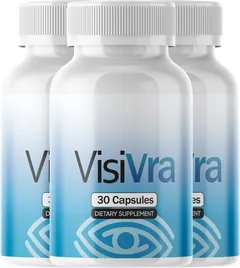
Most studies use about 10 mg lutein and 2 mg zeaxanthin. Read our lutein dosage guide. Visivra combines both with astaxanthin, bilberry, zinc and vitamin A in one daily capsule.
Frequently Asked Questions
Can lutein improve eyesight?
It supports macular health and comfort; it does not correct refractive errors like nearsightedness.
Is lutein safe daily?
Yes, at typical supplement doses it has a strong safety record.
Are eggs a good source?
Yes. Egg-yolk lutein is well absorbed because it comes with fat.
Do lutein and zeaxanthin help with cataracts?
Some observational studies link higher intake with lower cataract risk, but trials haven't confirmed a protective effect.
Can children take lutein?
Children should get lutein from food; ask a paediatrician before giving supplements.
Sources
- National Eye Institute: Age-Related Eye Disease Studies (AREDS/AREDS2)
- MedlinePlus: Lutein
- PubMed: Lutein, zeaxanthin and macular pigment optical density
- NIH: Study provides clarity on supplements for protection against blinding eye disease
This article is for general education and is not medical advice. Back to the Visivra official guide or see current Visivra pricing.