Eye Supplements and Medications: Interactions to Know
Possible interactions
- Blood thinners (warfarin): bilberry (NCCIH), high-dose vitamin E
- Antibiotics (quinolones, tetracyclines): zinc (NIH ODS)
- Retinoids (isotretinoin): vitamin A (NIH ODS)
- Diabetes medicines: bilberry may affect blood sugar
Safe practice
Bring your supplement bottles to appointments, use one pharmacy, and follow the NCCIH guidance.
Why interactions happen
Supplements can interact with medicines in a few ways. They can compete for absorption in the gut (zinc and some antibiotics). They can have overlapping effects (bilberry and blood thinners). They can add to the same nutrient (vitamin A and retinoid drugs). Or they can affect liver enzymes that process medicines. Most eye nutrients at standard doses carry low risk, but knowing these mechanisms helps you ask the right questions.
A pharmacist conversation script
Bring your supplement bottle and ask:
- 'Do any ingredients in this interact with my prescriptions?'
- 'Should I take it at a different time from any of my medicines?'
- 'Is my total zinc and vitamin A within safe limits?'
- 'Should I stop it before any procedure?'
Pharmacists can check interaction databases in minutes, and the advice is usually free.
Planning for surgery and procedures
Many surgeons ask patients to stop herbal supplements, including bilberry, one to two weeks before surgery because of possible effects on bleeding. This includes eye surgery such as cataract operations. Always follow your surgical team's instructions and tell them about every supplement you take (NCCIH).
Keeping an up-to-date list
Keep a written or phone list of all medicines, vitamins and supplements, with doses. Update it whenever anything changes and share it at every medical appointment. This simple habit prevents most interaction problems. The NIH ODS offers guidance on talking to providers about supplements.
High-risk medication groups
Some medication groups deserve extra caution when adding supplements. Anticoagulants and antiplatelet drugs may interact with herbs that affect bleeding. Diabetes medications may interact with supplements that lower blood sugar. Immunosuppressants and chemotherapy drugs can interact with many supplements. Retinoid acne treatments combined with vitamin A can lead to excessive intake. Some antibiotics bind to minerals such as zinc. If you take any of these, talk to your doctor or pharmacist before starting an eye supplement and review your medications regularly.
Signs of a possible interaction
Watch for new symptoms after starting a supplement, such as unusual bruising or bleeding, dizziness, changes in blood sugar readings, stomach upset, rash or changes in how well your medicines seem to work. If you notice any of these, stop the supplement and contact your doctor. Keep a record of when you started each supplement so it is easier to identify a possible cause. Most interactions are mild, but early recognition helps prevent problems.
Making safe choices
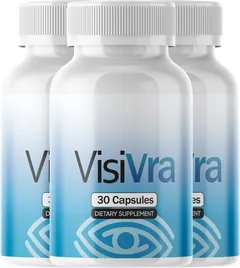
Most people can safely take eye supplements alongside their medications when they follow a few simple steps: read labels, check for interactions with a pharmacist, follow recommended doses, keep an up-to-date medication list and report new symptoms. Choosing products with clear labelling makes this easier. For information specific to Visivra, see our side effects guide and discuss any concerns with your healthcare provider.
Supplements commonly combined with eye formulas
Many people already take other supplements when they start an eye formula. Fish oil is usually fine and adds dietary fat that helps carotenoid absorption, though high doses can thin the blood. Vitamin D is generally compatible. Calcium and iron can compete with zinc for absorption, so taking them at a different meal helps. Multivitamins often contain zinc and vitamin A, so add up totals. Turmeric, ginkgo and garlic supplements may affect bleeding and deserve extra caution if you also take bilberry or blood thinners. Writing all of your supplements on one list and reviewing it with a pharmacist once a year is the simplest way to stay safe. The NIH Office of Dietary Supplements offers a free form you can use to keep track.
Why you should never self-adjust prescriptions
If you suspect an interaction, it can be tempting to skip a dose of your prescription to make room for a supplement. Do not do this. Prescription medicines for conditions such as heart disease, diabetes, glaucoma and high blood pressure are essential, and stopping them can be dangerous. Instead, pause the supplement and ask your doctor or pharmacist for advice. In most cases a simple timing change or a different product solves the problem without affecting your treatment.
Visivra specifically
Read Visivra side effects and check with your doctor if you take any of the drugs above.
Frequently Asked Questions
Can I take eye vitamins with blood pressure pills?
Usually yes, but ask your pharmacist.
Should I stop supplements before surgery?
Often yes; ask your surgeon.
Can eye supplements affect lab tests?
High-dose vitamins can affect some tests; tell your doctor.
Do eye supplements interact with glaucoma drops?
Interactions are not commonly reported, but tell your eye doctor what you take.
Can I take eye vitamins with statins?
Generally yes; ask your pharmacist to be sure.
Sources
- NCCIH: Bilberry
- NIH Office of Dietary Supplements: Zinc Fact Sheet
- NIH Office of Dietary Supplements: Vitamin A Fact Sheet
- NCCIH: Using Dietary Supplements Wisely
This article is for general education and is not medical advice. Back to the Visivra official guide or see current Visivra pricing.