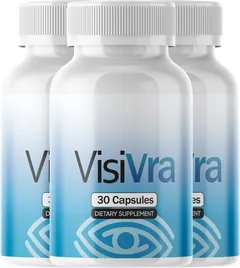
Visivra vs Basic Lutein Supplements: Which Is Better?
Ingredient coverage
Lutein alone supports macular pigment, but zeaxanthin concentrates at the fovea and works as a partner (NEI AREDS2). Visivra also includes astaxanthin for eye fatigue research and vitamin A for low-light vision. See lutein and zeaxanthin benefits.
Cost per month
Generic lutein can cost $8 to $20 per month. Visivra costs $49 to $79 per month depending on bundle. You are paying for the multi-nutrient formula, quality controls and guarantee. Our price guide shows the bundle math.
Quality and transparency
Whatever you buy, look for GMP manufacturing, a clear Supplement Facts panel and a reachable support team. The NIH ODS consumer guide lists questions to ask.
Free lutein versus lutein esters
Lutein supplements come in two forms: free lutein and lutein esters (bound to fatty acids). Both raise blood lutein levels. Esters need digestion first, which is another reason to take them with a meal. Labels sometimes list esters with a higher number that converts to a smaller amount of free lutein, so compare like for like. MedlinePlus gives background on lutein forms and uses.
When a basic product is the smarter buy
- You already eat greens and eggs most days and just want a small top-up.
- Your eye doctor recommended a specific lutein dose only.
- Budget is the main factor.
In these cases a simple lutein-plus-zeaxanthin capsule may be all you need.
When the broader formula makes sense
- You spend 6+ hours on screens and want astaxanthin as well.
- You prefer one capsule instead of several.
- You want the protection of a 60-day refund.
- Your diet is low in carotenoid-rich foods overall.
Whichever you choose, consistency is the biggest factor in results.
How to compare labels side by side
When you hold two eye supplements next to each other, compare them in a fixed order. First, look at the serving size, because one product's 'serving' may be two capsules. Second, compare the amount of lutein and zeaxanthin per serving with the 10 mg and 2 mg research standard. Third, note any additional ingredients and whether amounts are listed or hidden in a proprietary blend. Fourth, add up nutrients such as zinc and vitamin A that you may already be getting from a multivitamin. Fifth, check manufacturing claims, expiry date and the company's contact details. Finally, calculate the cost per day, not per bottle. Doing this takes five minutes and usually makes the better choice for your situation obvious. The NIH ODS label guide explains each part of a Supplement Facts panel.
Using both: is it necessary?
Taking a basic lutein supplement and Visivra together is rarely necessary and doubles your carotenoid intake without clear extra benefit. If you switch from one to the other, simply stop the first product when you start the second. The exception is when your eye doctor has prescribed a specific regimen, in which case follow their advice and ask before adding anything. More is not better with fat-soluble nutrients. A steady, moderate daily intake combined with a diet rich in greens is the approach supported by most research on macular pigment.
Quality differences between products
Two products that list the same amount of lutein can still differ in quality. Factors include the source of the lutein (most is extracted from marigold flowers), whether it is in free or ester form, how well the formula protects the carotenoids from oxidation and whether the manufacturer follows good manufacturing practices and tests batches. Capsule material and fillers vary too. Unfortunately, these details are not always printed on the label. Choosing products from companies that clearly list their manufacturing standards, provide contact details and offer refunds is a practical way to reduce risk. Storing your supplement in a cool, dark place helps preserve its quality after purchase. The NCCIH has a useful checklist for choosing supplements carefully. Whichever product you choose, compare it against the research doses explained in our lutein dosage guide.
Quick summary
Choose basic lutein for the lowest cost when your diet is otherwise good. Choose Visivra for broader, one-capsule support with astaxanthin, bilberry, zinc and vitamin A, backed by a 60-day guarantee.
Our recommendation
- Choose basic lutein if your diet is otherwise good and you want the lowest cost.
- Choose Visivra if you have long screen days, eat few greens, or want several eye nutrients in one capsule.
Frequently Asked Questions
Is more lutein always better?
No. Studies typically use 6 to 20 mg daily; more is not proven to help further.
Can I switch from lutein to Visivra?
Yes. Stop the old product to avoid doubling carotenoids, unless your doctor advises otherwise.
Does Visivra have more than lutein?
Yes, six nutrients in total.
Is marigold lutein the same as food lutein?
Yes. Most supplement lutein is extracted from marigold flowers and is chemically the same.
Do I need zeaxanthin if I take lutein?
The body can convert some lutein to meso-zeaxanthin, but research formulas usually include zeaxanthin too.
Sources
- National Eye Institute: Age-Related Eye Disease Studies (AREDS/AREDS2)
- MedlinePlus: Lutein
- NIH Office of Dietary Supplements: Dietary Supplements (Consumer)
This article is for general education and is not medical advice. Back to the Visivra official guide or see current Visivra pricing.