Lutein Dosage Per Day: How Much Do Your Eyes Need?
The research standard
The AREDS2 trial used 10 mg lutein and 2 mg zeaxanthin daily for five years. Smaller studies have used 6 to 20 mg. No official Recommended Dietary Allowance exists for lutein.
Diet vs supplement
A cup of cooked kale provides roughly 20 mg, but few people eat that regularly. That gap is why many adults choose a supplement. See zeaxanthin food sources and foods for eye health.
Taking it correctly
- Take with a meal containing fat
- Take daily; consistency matters more than size of dose
- Expect changes over months, not days
Dose ranges used in research
- 6 mg/day: levels linked in older observational research with lower AMD risk
- 10 mg/day: the AREDS2 dose and the most common supplement amount
- 20 mg/day: used in some macular pigment and visual performance trials
- Up to 40 mg/day: used short-term in a few studies without serious adverse effects
More is not clearly better. Macular pigment appears to rise in response to steady, moderate intake rather than large doses.
Factors that change how much you absorb
Absorption varies a lot from person to person. Fat in the meal increases it. Very low-fat diets, some cholesterol-lowering drugs, weight-loss medicines that block fat absorption and digestive conditions can reduce it. Body fat stores carotenoids too, so people with higher body fat may need longer to raise macular levels. Smoking lowers carotenoid levels in the blood. These differences are why some people see changes in two months and others need six.
Lutein from food: practical servings
Approximate lutein + zeaxanthin per serving:
- Cooked kale, 1 cup: about 20+ mg
- Cooked spinach, 1 cup: about 20 mg
- Raw spinach, 1 cup: about 4 mg
- Collard greens, cooked, 1 cup: about 15 mg
- Corn, 1 cup: about 2 mg
- Egg yolk, 1 large: about 0.2-0.3 mg (but very well absorbed)
Values vary by variety and preparation. Cooking with a little oil generally helps absorption. See foods for eye health.
Matching dose to your goal
- General eye nutrition: 6-10 mg from diet, supplement or both
- Screen-heavy lifestyle: 10 mg plus zeaxanthin, often with astaxanthin
- Diagnosed intermediate AMD: follow your doctor's AREDS2 advice (NEI)
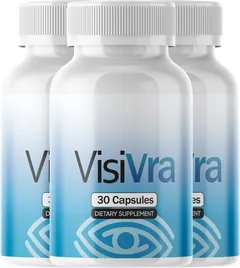
If you take Visivra, check the label amount and count any other lutein products you use.
Lutein for different goals
The right amount of lutein depends partly on why you are taking it. For general eye nutrition in a healthy adult with a reasonable diet, a few milligrams a day from food may be enough. For people who rarely eat vegetables, a daily supplement of around 10 mg helps close the gap and matches the AREDS2 amount. Several studies on visual performance, including glare recovery and contrast sensitivity, used 10 to 20 mg a day for six to twelve months. People with diagnosed intermediate AMD should follow their eye doctor's recommendation, which is usually an AREDS2 product. There is no evidence that very high doses work faster, and more is not better.
How to calculate your total intake
To estimate how much lutein you already get, think about a typical week of meals. If you eat a large salad with spinach most days, cooked greens a few times a week and eggs regularly, your intake may already be several milligrams a day. If your vegetables are mostly potatoes, corn and the occasional side salad of iceberg lettuce, your intake is likely low. Add any supplement amounts from your multivitamin, eye formula or greens powder. If you take several products, read each label so you do not double up without realising it. Writing it down once gives you a clear picture and makes conversations with your doctor more useful.
Signs your lutein intake may be low
There are no obvious symptoms of low lutein intake, and no routine blood test is used in everyday practice. Low macular pigment has been associated in research with greater glare sensitivity and slower recovery after exposure to bright light, but these signs have many other causes. In practice, the best indicators are your diet and lifestyle: few leafy greens, few eggs, smoking, and a very low-fat diet all suggest lower intake. If that describes you, increasing greens and considering a supplement are reasonable steps. Discuss persistent visual symptoms with an eye doctor rather than assuming they are caused by nutrition, because conditions such as cataracts can look similar.
Safety
Lutein is considered very safe (MedlinePlus). Very high intakes may harmlessly tint the skin yellow. Check the label of any formula, including Visivra, for exact amounts.
Frequently Asked Questions
Is 20 mg of lutein too much?
It has been used in studies without serious side effects, but 10 mg is the common standard.
Can I get enough lutein from food?
Yes, if you eat dark leafy greens most days.
When is the best time to take lutein?
With your largest meal that contains fat.
Can you overdose on lutein?
Serious toxicity hasn't been reported at studied doses; very high intake may tint skin yellow.
Should lutein be taken with zeaxanthin?
Most research uses them together, usually at a 5:1 ratio.
Sources
- National Eye Institute: Age-Related Eye Disease Studies (AREDS/AREDS2)
- MedlinePlus: Lutein
- PubMed: Lutein, zeaxanthin and macular pigment optical density
This article is for general education and is not medical advice. Back to the Visivra official guide or see current Visivra pricing.