Zinc for Eye Health: Benefits, Dose and Upper Limits
Zinc's job in the eye
Zinc supports retinol dehydrogenase, an enzyme that helps convert vitamin A into the form photoreceptors use. It also contributes to antioxidant enzymes (NIH ODS).
AREDS and zinc
The AREDS formula used 80 mg zinc with 2 mg copper to prevent copper deficiency. AREDS2 also tested 25 mg zinc and found similar results (NEI).
How much you need
- Men: 11 mg/day
- Women: 8 mg/day
- Upper limit: 40 mg/day for adults
Oysters, beef, pumpkin seeds and chickpeas are good food sources.
Signs you may be low in zinc
True zinc deficiency is uncommon in the US, but some groups are at higher risk: older adults with poor appetite, vegetarians, people with digestive disorders such as Crohn's disease, people who drink heavily, and those taking certain diuretics. Possible signs include poor night vision, slow wound healing, frequent infections, loss of taste and hair thinning. These symptoms have many causes, so blood tests and a doctor's advice are needed before high-dose supplementation (NIH ODS).
Zinc and copper: why balance matters
Zinc and copper compete for absorption in the gut. Taking high-dose zinc for months can lead to copper deficiency, which may cause anaemia, low white blood cell counts and nerve problems. That is why the AREDS formula added 2 mg of copper to its 80 mg of zinc. At everyday supplement levels, copper balance is rarely an issue, but it becomes important when products are stacked.
Best food sources of zinc
- Oysters (by far the richest source)
- Beef and lamb
- Crab and lobster
- Pumpkin seeds
- Chickpeas, lentils and beans
- Cashews
- Fortified breakfast cereals
- Dairy products
Plant sources contain phytates that reduce zinc absorption. Soaking or sprouting legumes can help.
Forms of zinc in supplements
Common forms include zinc gluconate, zinc citrate, zinc picolinate and zinc oxide. AREDS used zinc oxide. Absorption differs a little between forms, but the label amount of 'elemental zinc' is the number that matters for safety limits. Take zinc with food to avoid nausea, and space it two hours from quinolone or tetracycline antibiotics. More in eye supplements and medications.
Zinc for older adults
Older adults are more likely to have low zinc intake because appetite often decreases, absorption becomes less efficient and certain medications can affect zinc levels. Zinc is also important for immunity, wound healing and taste, which are all areas that change with age. For eye health, adequate zinc supports the transport of vitamin A to the retina. Most older adults can meet their needs through a balanced diet with meat, seafood, dairy, legumes and seeds. A multivitamin can help if diet is limited. High-dose zinc should be reserved for situations recommended by a doctor, such as the AREDS2 formula for intermediate AMD.
Vegetarian and vegan zinc considerations
Plant-based diets can provide enough zinc, but absorption is lower because phytates in whole grains and legumes bind zinc. The NIH ODS notes that vegetarians may need up to 50 percent more zinc than the standard recommendation. Practical ways to improve absorption include soaking, sprouting or fermenting grains and legumes, choosing leavened bread and including seeds and nuts regularly. Fortified cereals can help too. Vegetarians considering eye supplements that contain zinc should count that zinc toward their daily total and stay within the 40 mg upper limit unless advised otherwise.
The bottom line on zinc
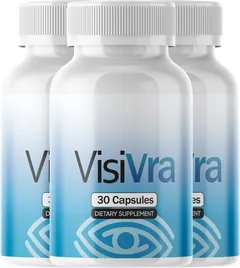
Zinc is an essential mineral that plays a real role in eye health, particularly in the retina's use of vitamin A. Most people get enough from food, and moderate amounts in multivitamins or eye formulas are generally safe. High doses are effective in specific situations, such as the AREDS formula for intermediate AMD, but should be supervised because of the copper balance issue. Read the label of any eye supplement, including Visivra, add up your total from all sources and talk to your doctor if you take antibiotics or other medications that interact with minerals.
Zinc and taste
Zinc also supports taste and smell. Older adults with poor appetite may have low zinc, which can create a cycle of poor intake. Ask your doctor if this applies to you.
Avoid stacking
If you take a multivitamin, an AREDS product and an eye formula like Visivra, add up the zinc. Excess can lower copper and cause nausea. See eye supplements and medications.
Frequently Asked Questions
Can zinc deficiency affect vision?
Yes, severe deficiency can impair night vision through effects on vitamin A.
Should zinc be taken with food?
Yes, to reduce nausea.
Does zinc interact with antibiotics?
Zinc can reduce absorption of some antibiotics; space doses apart.
Does zinc help macular degeneration?
Zinc was part of the AREDS formula that slowed progression in intermediate AMD, as directed by eye doctors.
Can I take zinc every day?
Yes, within the 40 mg daily upper limit from all sources unless your doctor advises otherwise.
Sources
- NIH Office of Dietary Supplements: Zinc Fact Sheet
- National Eye Institute: Age-Related Eye Disease Studies (AREDS/AREDS2)
This article is for general education and is not medical advice. Back to the Visivra official guide or see current Visivra pricing.