Bilberry for Night Vision: Legend, Science and Safety
The pilot legend
A popular story claims British WWII pilots ate bilberry jam to see better on night missions. Historians have found little evidence for this, but it made bilberry famous.
What studies show
Reviews of placebo-controlled trials have not found reliable improvements in night vision in healthy people (PubMed). The NCCIH concludes there is not enough evidence for eye conditions.
Why it is still used
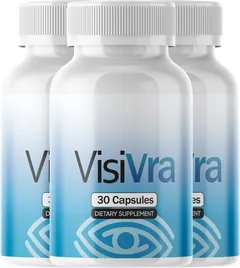
Anthocyanins are antioxidants that may support small blood vessels and help counter oxidative stress. In a multi-nutrient formula like Visivra, bilberry plays a supporting role next to lutein and zeaxanthin.
What are anthocyanins?
Anthocyanins are water-soluble pigments that give bilberries, blueberries, blackcurrants and red cabbage their deep blue-purple colour. In the lab they act as antioxidants and may influence small blood vessels. Bilberry contains a particularly high level of anthocyanins in both skin and flesh, unlike cultivated blueberries, which are white inside. Standardised extracts are usually measured by their anthocyanoside content.
Why the trial results are mixed
Early European studies reported better adaptation to darkness, but many were small, short or lacked a proper placebo group. Later, better-controlled trials in healthy young adults generally found no meaningful improvement in night vision (PubMed). Research on eye fatigue and dry eye is ongoing but limited. This is why the NCCIH says there isn't enough evidence to support bilberry for eye conditions. It can still have a role as a dietary antioxidant.
Bilberry vs other night-vision nutrients
- Vitamin A: essential for rhodopsin. The strongest link to night vision, but only helps if intake is low (NIH ODS).
- Zinc: helps deliver vitamin A to the retina.
- Lutein and zeaxanthin: may help glare recovery after headlights.
- Bilberry: antioxidant support; night-vision effect unproven.
A formula that combines these, like Visivra, covers several mechanisms rather than relying on bilberry alone.
Getting anthocyanins from food
You don't need an extract to eat anthocyanins. Wild blueberries, blackberries, blackcurrants, purple grapes, cherries and red cabbage are all good sources. A daily handful of berries adds fibre and vitamin C too. Read foods for eye health for more ideas.
How to choose a bilberry extract
If you want to use bilberry as a standalone supplement, look for an extract that states its anthocyanoside or anthocyanin content as a percentage, often around 25 to 36 percent in studied extracts. This standardisation helps ensure consistency from batch to batch. Choose products made under GMP standards with clear labelling and an expiry date. Avoid products that make strong disease claims, such as curing night blindness or glaucoma. Remember that the fruit itself, fresh or frozen, provides anthocyanins along with fibre and vitamins. In combination formulas, bilberry is usually included at lower amounts as part of a broader antioxidant mix.
Who should be cautious with bilberry
Bilberry fruit is safe as food for most people. Concentrated extracts deserve more caution in some groups. People taking warfarin or other anticoagulants or antiplatelet drugs should talk to their doctor, because bilberry may add to their effect. People with diabetes should monitor blood sugar, since bilberry leaf and possibly fruit extracts may lower it. Pregnant and breastfeeding women should avoid high-dose extracts because safety data are limited. Anyone scheduled for surgery should stop herbal supplements in advance as advised by their surgeon. The NCCIH page summarises the current safety information.
The bottom line on bilberry
Bilberry is a nutritious berry with a fascinating history, and its anthocyanins are genuine antioxidants. The evidence does not support claims that it significantly improves night vision in healthy people. For practical night-vision help, the most effective steps are an updated glasses prescription, a clean windshield, anti-reflective lenses, adequate vitamin A and regular eye exams to detect cataracts. Bilberry can be part of a broad antioxidant approach, as in Visivra, but it should not be relied on alone. If your night vision has changed noticeably, book an eye exam first.
Questions to ask before taking bilberry
Before taking a bilberry supplement, ask your doctor or pharmacist whether it is safe with your medications, particularly blood thinners and diabetes medicines. Ask whether your night-vision symptoms might have another cause that needs treatment, such as cataracts. Getting these answers first keeps you safe and focuses your efforts on the most effective solutions.
Safety
Bilberry fruit is safe as food. Extracts may interact with blood thinners or diabetes medication. See eye supplements and medications. For real night-vision help, read night driving vision tips and vitamin A and night vision.
Frequently Asked Questions
Is bilberry the same as blueberry?
They are close relatives; bilberry has more anthocyanins throughout the fruit.
Can bilberry cure night blindness?
No. Night blindness needs medical evaluation; vitamin A deficiency is one possible cause.
How long to take bilberry?
Studies range from weeks to months; benefits remain uncertain.
Can I eat bilberries instead of taking extract?
Yes. Fresh or frozen berries supply anthocyanins, though at lower doses than extracts.
Does bilberry help diabetic retinopathy?
There is not enough evidence. Follow your doctor's treatment plan.
Sources
This article is for general education and is not medical advice. Back to the Visivra official guide or see current Visivra pricing.