Dry Eyes From Screens: Causes, Relief and Prevention
Common symptoms
- Burning or stinging
- A gritty, sandy feeling
- Redness
- Watery eyes (a reflex to dryness)
- Blurry vision that clears with blinking
Quick relief
Close your eyes for a minute, blink slowly ten times and use preservative-free artificial tears. Warm compresses help oil glands in the eyelids (NEI).
Prevention habits
Lower your monitor so you look slightly down, avoid fans blowing at your face, and use the 20-20-20 rule.
Two types of dry eye
- Aqueous-deficient dry eye: the tear glands don't produce enough watery tears.
- Evaporative dry eye: tears evaporate too quickly, often because the meibomian glands in the eyelids don't release enough oil.
Screen use mostly worsens evaporative dry eye by reducing blinking. Many people have a mix of both. An eye doctor can tell which type you have and recommend targeted treatment (NEI).
Home care for the eyelids
- Warm compress: a clean warm cloth or heated eye mask for 5-10 minutes softens oils in the eyelid glands.
- Gentle massage: after warming, lightly massage along the lash line.
- Lid hygiene: clean lashes with diluted baby shampoo or lid wipes if your doctor recommends it.
- Remove makeup fully before bed.
Done daily, this routine helps many people with evaporative dry eye.
Environmental fixes
- Point fans and car vents away from your face
- Use a humidifier in heated or air-conditioned rooms
- Wear wraparound glasses outdoors on windy days
- Stay hydrated
- Avoid cigarette smoke (MedlinePlus)
Air travel is especially drying; use artificial tears during flights.
When dry eye needs medical treatment
See an eye doctor if symptoms persist for more than a few weeks, interfere with work or driving, or come with pain, light sensitivity or reduced vision. Prescription options include anti-inflammatory drops, punctal plugs and in-office gland treatments. Dry eye can also be linked to autoimmune conditions and some medications, so a proper diagnosis matters. Meanwhile, keep up screen habits from digital eye strain relief.
Choosing artificial tears
Artificial tears are available in many formulas. For frequent use, more than four times a day, preservative-free drops in single-use vials are usually recommended because preservatives can irritate the eye with repeated use. Thicker gels provide longer relief but may blur vision briefly, so they are often used at night. Some drops are designed to replace the oily layer of the tear film and can help evaporative dry eye. Avoid relying on redness-relief drops, which can cause rebound redness with regular use. If you are unsure which to choose, ask your pharmacist or eye doctor.
Dry eye and contact lenses
Contact lens wearers are especially prone to screen-related dryness, because lenses can disrupt the tear film and reduce sensitivity to dryness. Strategies include switching to daily disposable lenses, using lenses made from materials designed for comfort, limiting wear time on heavy screen days, using rewetting drops approved for contact lenses and alternating with glasses. Never sleep in lenses that are not approved for overnight wear, and always follow cleaning instructions to reduce infection risk. If dryness persists, your eye care provider can suggest alternatives.
Long-term outlook for screen-related dry eye
For many people, screen-related dry eye improves significantly with better blinking, breaks, environmental changes and artificial tears. For others, it is part of a chronic condition that needs ongoing management. The good news is that there are now many effective treatments, from eyelid therapies to prescription drops. Early attention prevents symptoms from becoming more severe. Combining good habits with a healthy diet and adequate hydration gives your tear film the best support. Learn more from the National Eye Institute, and see tired eyes remedies for quick daily relief.
Dry eye myths
Several myths about dry eye can delay effective care. Watery eyes do not mean your eyes are healthy; excess tearing is often a reflex response to dryness. Dry eye is not only a problem for older adults; screen use has made it common in younger people too. Drinking more water alone rarely cures dry eye, though hydration helps. Artificial tears are not all the same, and using the wrong type can make symptoms worse. Dry eye is not just a minor annoyance; untreated, it can affect vision quality and daily comfort. Understanding these facts helps you seek the right treatment sooner. If symptoms persist despite good habits, an eye doctor can identify the type of dry eye you have and recommend targeted treatment. Learn more from the National Eye Institute and see tired eyes remedies.
Nutrition
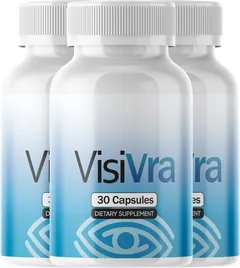
Omega-3s (NIH ODS) have mixed evidence for dry eye. Vitamin A supports the surface of the eye (vitamin A guide). Visivra includes vitamin A; see the ingredient list.
Frequently Asked Questions
Are eye drops safe daily?
Preservative-free tears are generally safe for frequent use.
Can dry eye cause blurry vision?
Yes, temporarily.
When should I see a doctor?
If symptoms persist for weeks or affect daily life.
Do contact lenses make dry eye worse?
They can. Ask about lenses designed for dry eyes or daily disposables.
Can allergies feel like dry eye?
Yes. Itching usually points more to allergies.
Sources
- National Eye Institute: Dry Eye
- NIH Office of Dietary Supplements: Omega-3 Fatty Acids
- NIH Office of Dietary Supplements: Vitamin A Fact Sheet
This article is for general education and is not medical advice. Back to the Visivra official guide or see current Visivra pricing.