Do Eye Exercises Work? What Helps and What Doesn't
What exercises can't do
Refractive errors come from the shape of the eye (NEI). No exercise changes that shape. Claims of 'throwing away your glasses' are not supported.
What can help
- Distance focusing breaks (20-20-20)
- Slow blinking drills
- Palming (covering closed eyes with warm hands) for relaxation
- Professional vision therapy for diagnosed binocular problems
Better long-term habits
Outdoor time for children, regular exams and good lighting. See natural ways to support vision.
Popular eye exercises reviewed
- Palming: relaxing, may ease strain; no effect on prescription.
- Focus shifting (near-far): relaxes accommodation; useful during screen breaks.
- Figure-eights and eye rolls: may feel relaxing; no evidence they improve vision.
- Pencil push-ups: a prescribed therapy for convergence insufficiency, best supervised.
- Blinking drills: helpful for screen-related dryness.
What vision therapy treats
Vision therapy is a structured programme supervised by an optometrist or orthoptist. It is used for specific binocular vision and eye-movement problems, such as convergence insufficiency, which makes close reading tiring and can cause double vision. Evidence supports office-based therapy for convergence insufficiency in children. Vision therapy is not a treatment for nearsightedness, glaucoma or macular degeneration.
Myopia in children: what actually helps
Nearsightedness in children is rising worldwide. Research points to more time outdoors as a protective factor. Eye doctors may also use special lenses or low-dose eye drops to slow progression. Eye exercises are not a proven treatment. Parents should schedule regular eye exams for children and limit long periods of close work (NEI).
Combining habits for best results
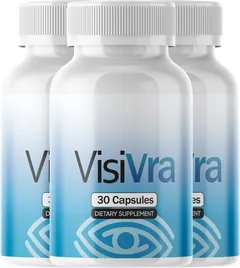
The most effective daily approach combines relaxation breaks, good lighting, a correct prescription and nutrition. Exercises help comfort; carotenoids like those in Visivra support the retina; regular exams catch problems early. See natural ways to support vision.
Why eye exercise claims are so popular
The idea that you can exercise your way to better eyesight is appealing because it promises a natural, free solution. Books and online programmes have promoted these claims for decades. However, nearsightedness, farsightedness and astigmatism are caused by the shape of the eye, not by weak muscles. Presbyopia is caused by the lens becoming less flexible with age. Exercises cannot change these physical properties. Some people report feeling that their vision is clearer after exercises, but this is often due to relaxation, temporary changes in tear film or simply paying more attention to their eyes.
Relaxation techniques that feel good
Even if they do not change your prescription, relaxation techniques can make your eyes feel more comfortable during long screen sessions. Palming involves rubbing your hands together to warm them, then cupping them over closed eyes for 30 seconds to a minute while breathing slowly. Near-far focusing involves alternately looking at something close and something far away. Gentle eyelid massage after a warm compress can help with dry eyes. These techniques take only a minute and can be combined with the 20-20-20 rule.
What actually improves vision
If your goal is clearer vision, the proven options are glasses, contact lenses, refractive surgery for suitable candidates, and treatment of eye conditions such as cataracts. For comfort, good screen habits, breaks, blinking and treatment of dry eye are effective. For long-term eye health, regular exams, not smoking, UV protection, a healthy diet and managing conditions such as diabetes are key. Nutrition, including lutein and zeaxanthin, supports the retina but does not change refractive errors. Focus your effort on these evidence-based steps.
Eye exercises for specific medical conditions
There are a few situations in which structured eye exercises are part of medical treatment. Convergence insufficiency, where the eyes struggle to turn inward together for close work, can improve with office-based vision therapy plus home exercises. After some strokes or head injuries, rehabilitation may include eye movement training to help with reading and scanning. Certain types of double vision may be managed with exercises alongside prisms. In each case, the exercises are prescribed and monitored by an eye care professional based on careful testing. This is very different from generic programmes that promise to replace glasses. If you have symptoms such as double vision, losing your place while reading or eye strain that persists despite correct glasses, ask for a binocular vision assessment. Learn more about common vision problems from MedlinePlus, and see digital eye strain relief for everyday comfort tips.
Nutrition's role
Exercises and nutrients do different jobs. Carotenoids support the retina; see Visivra ingredients.
Frequently Asked Questions
Can eye yoga improve vision?
It may reduce strain but won't change your prescription.
Is the Bates method proven?
No, scientific evidence does not support it.
Do kids benefit from outdoor play?
Research links outdoor time to lower myopia risk in children.
Can eye exercises fix astigmatism?
No. Astigmatism comes from the shape of the cornea or lens.
Do eye exercises help lazy eye?
Amblyopia treatment in children includes patching or drops under medical supervision.
Sources
- National Eye Institute: Refractive Errors
- National Eye Institute: Presbyopia
- National Eye Institute: Keep Your Eyes Healthy
This article is for general education and is not medical advice. Back to the Visivra official guide or see current Visivra pricing.