Eye Health After 60: A Practical Guide for Seniors
Top conditions to watch
Home and safety
Add task lighting, use contrasting tape on steps, remove trip hazards and use large-print devices. The NEI offers resources on low vision.
Driving
Avoid night driving if glare is severe and read our night driving tips.
Cataract surgery: what to know
Cataract surgery replaces the cloudy natural lens with a clear artificial lens. It is one of the most commonly performed operations and usually brings a big improvement in clarity, colour and night vision. Surgery is typically recommended when cataracts interfere with daily activities such as driving or reading. Discuss lens options, including those that reduce dependence on glasses, with your surgeon (NEI).
Recognising AMD early
Early AMD often has no symptoms. As it progresses, people may notice:
- Straight lines looking wavy
- A blurry or dark spot in central vision
- Needing more light to read
- Colours looking less vivid
An Amsler grid, a simple square grid of lines, can help you monitor central vision at home between appointments if your eye doctor recommends it (NEI).
Falls and vision
Poor vision is a major contributor to falls in older adults. Reduce risk by keeping glasses clean and up to date, being careful with progressive or bifocal lenses on stairs, lighting hallways at night and removing loose rugs. Take extra care when moving from bright to dark areas, because eyes adapt more slowly with age.
Medicare and eye care
In the US, Original Medicare generally covers medical eye care, including glaucoma screening for high-risk groups, diabetic eye exams and cataract surgery. Routine glasses exams are often not covered except after cataract surgery. Check your specific plan, as Medicare Advantage plans may offer extra vision benefits.
Glaucoma: the silent risk
Glaucoma damages the optic nerve and often causes no symptoms until significant peripheral vision is lost. Risk rises after 60 and is higher in people with a family history, African American and Hispanic/Latino ancestry, diabetes and high eye pressure. Treatment with eye drops, laser or surgery can slow or stop progression, but lost vision cannot be restored. Regular dilated exams with eye pressure checks and optic nerve evaluation are the best protection. If you have been prescribed glaucoma drops, use them exactly as directed. Learn more from the National Eye Institute.
Medications and older eyes
Older adults often take several medications, and some can affect the eyes. Steroids can raise eye pressure and contribute to cataracts. Some medications for bladder control, allergies and depression can cause dry eyes or blurred vision. Certain drugs for heart rhythm or arthritis require periodic eye monitoring. Keep a complete medication list and share it with your eye doctor. Never stop a medication without speaking to the prescribing doctor. When adding supplements, ask your pharmacist to check for interactions. See eye supplements and medications.
Staying active and independent
Good vision supports independence, from driving and cooking to reading and socialising. If your vision changes, many tools can help: magnifiers, large-print books, talking devices, smartphone accessibility settings, task lighting and contrasting colours at home. Low vision specialists can recommend aids tailored to your needs. Staying physically and socially active benefits overall health, which in turn supports eye health. With regular care, healthy habits and the right tools, most people can maintain a good quality of life as their eyes age.
Nutrition after 60
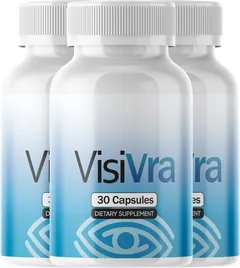
Nutritional needs change with age. Appetite often decreases, chewing and digestion can become more difficult and some medications affect nutrient absorption. Yet the eyes still need lutein, zeaxanthin, vitamins C and E, zinc and omega-3s. Soft-cooked greens, eggs, fish, smoothies with spinach and fruit, nut butters and soups are easy ways to include these nutrients. Smaller, more frequent meals may help if appetite is low. If diet is limited, a supplement can help, but choose carefully and check with a doctor or pharmacist because of medications. The AREDS2 study included adults up to 85, showing that eye nutrition remains relevant in later life. See foods for eye health for meal ideas and Visivra for seniors for a supplement option.
Quick summary
After 60, book yearly dilated exams, brighten your home lighting, protect against falls, take care with night driving and keep eating greens, eggs and fish. Discuss any supplement with your doctor, especially if you take several medicines.
Nutrition and supplements
The AREDS2 study included adults up to 85. Discuss supplements with your doctor, especially if you take blood thinners. Read Visivra for seniors.
Frequently Asked Questions
How often should seniors have eye exams?
Typically every year or as advised.
Is AMD curable?
There is no cure, but treatments can slow some forms.
Can seniors take Visivra?
Most healthy older adults can; check with your doctor about medications.
Is it too late to start eye supplements at 70?
Not necessarily; discuss with your eye doctor, particularly if you have AMD.
How can seniors read small print more easily?
Better lighting, magnifiers, large-print settings and updated glasses all help.
Sources
- National Eye Institute: Age-Related Macular Degeneration
- National Eye Institute: Cataracts
- National Eye Institute: Glaucoma
- National Eye Institute: Diabetic Retinopathy
- National Eye Institute: Low Vision
This article is for general education and is not medical advice. Back to the Visivra official guide or see current Visivra pricing.