Natural Ways to Support Vision: 11 Science-Based Habits
11 habits
- Eat greens daily (foods for eye health)
- Eat fish twice a week
- Wear UV400 sunglasses
- Wear safety glasses for DIY
- Don't smoke
- Exercise
- Manage blood sugar
- Follow the 20-20-20 rule
- Sleep 7-9 hours
- Get dilated exams
- Consider lutein and zeaxanthin
Backed by the NEI
These habits come from the National Eye Institute's Keep Your Eyes Healthy advice.
Protecting your eyes from injury
Eye injuries are a common and often preventable cause of vision loss. Wear safety glasses for DIY, gardening with power tools, using cleaning chemicals and playing racquet sports. Keep household chemicals stored safely and point spray nozzles away from your face. If a chemical splashes into the eye, rinse with clean water for at least 15 minutes and seek medical help.
Exercise and eye health
Regular physical activity supports healthy blood vessels, blood sugar control and a healthy weight. All of these lower the risk of eye diseases such as diabetic retinopathy and possibly AMD. Some studies also suggest exercise can modestly lower eye pressure. Aim for 150 minutes of moderate activity a week, such as brisk walking, cycling or swimming.
Screen habits as daily eye hygiene
Think of screen habits like brushing your teeth: small daily actions that add up. Use the 20-20-20 rule, set up your screen correctly, take hourly breaks and blink consciously. Children benefit from outdoor play and screen limits. These habits cost nothing and reduce strain immediately.
Choosing an eye-support supplement
If your diet is low in greens and eggs, a supplement can fill the gap. Look for:
- Lutein and zeaxanthin at research-aligned doses
- A clear Supplement Facts label
- GMP manufacturing
- A transparent refund policy
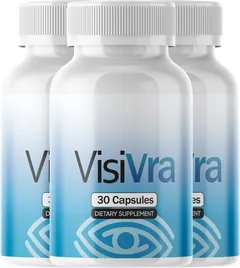
Visivra combines lutein and zeaxanthin with astaxanthin, bilberry, zinc and vitamin A. Check with your doctor if you take medicines or have an eye condition.
Hydration and eye comfort
Adequate hydration supports tear production and overall eye comfort. Mild dehydration can contribute to dry, tired eyes, especially in air-conditioned or heated environments. Drinking water regularly throughout the day, eating water-rich foods such as fruits and vegetables and limiting excessive alcohol help maintain hydration. If you work in a dry environment, a humidifier can also reduce tear evaporation. While hydration alone will not treat dry eye disease, it is a simple and healthy habit that supports comfort.
Outdoor time and children's eyes
Research has found that children who spend more time outdoors are less likely to develop nearsightedness. Natural daylight and looking at distant objects may play a role. Encouraging children to play outside for at least an hour or two each day, along with regular screen breaks and eye exams, supports healthy vision development. Remember sunglasses and hats for UV protection. These habits build a foundation for lifelong eye health.
Putting it all together
Supporting your vision naturally combines several simple habits: a colourful diet with leafy greens, eggs and fish, UV protection, regular exercise, good sleep, not smoking, screen breaks and regular eye exams. None of these steps is complicated, but together they make a meaningful difference. Supplements can fill nutritional gaps when diet falls short. Choose products with clear labelling and research-backed ingredients. Review your habits each year and adjust as your needs change. Start with the National Eye Institute's tips.
Common myths about natural vision support
Several popular beliefs about natural vision care are not supported by evidence. Eating carrots will not give you better than normal eyesight, although vitamin A from carrots prevents deficiency. Reading in dim light will not permanently damage your eyes, although it can cause temporary strain. Sitting close to the television does not cause eye damage in children. Eye exercises cannot cure nearsightedness or the need for reading glasses. Wearing glasses does not make your eyes weaker. Understanding these myths helps you focus your time and money on habits that work, such as protecting your eyes from UV light, eating leafy greens, not smoking and having regular exams. The National Eye Institute offers reliable, plain-language information. Our article on eye exercises looks at one of the most persistent myths in more detail.
Tracking your progress
Natural habits work slowly, so tracking helps. Once a month, note how your eyes feel during screen work, while driving at night and when reading. Record any changes in diet, sleep or activity. Over a year, these notes show which habits make the biggest difference for you and provide useful information for your eye doctor.
Where supplements fit
Supplements add to these habits; they do not replace them. See Visivra.
Frequently Asked Questions
Can vision improve naturally?
Comfort can improve; refractive errors need correction.
Is carrot juice good for eyes?
It provides beta-carotene; greens provide more lutein.
Does exercise help eyes?
It supports blood flow and lowers disease risk.
Can yoga improve eye health?
Yoga supports general health and relaxation; it doesn't change refractive errors.
Is it good to rest eyes with eyes closed?
Brief rests help strain. Distance gazing also relaxes focusing muscles.
Sources
- National Eye Institute: Keep Your Eyes Healthy
- National Eye Institute: Healthy Vision
- National Eye Institute: Get a Dilated Eye Exam
This article is for general education and is not medical advice. Back to the Visivra official guide or see current Visivra pricing.