Best Zeaxanthin Food Sources for Healthy Central Vision
Top zeaxanthin foods
- Orange and yellow bell peppers
- Sweet corn and cornmeal
- Goji berries
- Egg yolks (especially pasture-raised)
- Spinach, kale and collard greens
- Persimmons and paprika
Boosting absorption
Zeaxanthin is fat-soluble. Cooking peppers in olive oil or eating eggs with greens helps your body absorb more. Learn more in carotenoids explained.
How much is enough?
The AREDS2 study used 2 mg zeaxanthin with 10 mg lutein. Reaching 2 mg from food requires regular servings of the foods above.
Approximate zeaxanthin content
Zeaxanthin is often reported together with lutein, which makes exact figures hard to find. As a rough guide:
- Orange bell pepper: one of the highest zeaxanthin-to-lutein ratios of any vegetable
- Goji berries: very concentrated; a small handful provides a meaningful amount
- Sweet corn: a moderate source and easy to add to meals
- Egg yolk: small amounts, but highly bioavailable thanks to the yolk's fat
- Saffron and paprika: notable sources, used in small quantities
Colour is a helpful clue: deep yellow and orange foods usually contain more zeaxanthin than green ones.
Easy zeaxanthin-rich recipes
- Breakfast: scrambled eggs with sautéed orange peppers and spinach
- Lunch: corn and black bean salad with olive oil and lime
- Snack: a small handful of goji berries with almonds
- Dinner: salmon with paprika and roasted peppers
Each meal includes some fat, which improves carotenoid absorption (MedlinePlus).
Why the fovea needs zeaxanthin
The fovea is a tiny pit at the centre of the macula packed with cone cells, responsible for your sharpest detail and colour vision. Zeaxanthin and meso-zeaxanthin dominate here, while lutein is spread more widely across the macula. That distribution suggests each pigment has a specialised role. It is one reason formulas studied in the AREDS2 trial combined zeaxanthin with lutein rather than using lutein alone.
Diet vs supplement for zeaxanthin
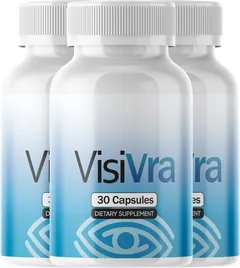
Reaching the 2 mg research dose from food every day takes planning. If you eat orange peppers, corn and eggs regularly, you may get close. If not, a combined formula is a simple backup. See lutein dosage per day for the matching lutein amount and Visivra for a product that includes both.
Seasonal and budget-friendly options
You do not need expensive superfoods to get zeaxanthin. Frozen sweet corn is cheap all year and keeps its carotenoids well. Bell peppers are often on sale in summer and can be sliced and frozen for later cooking. Eggs remain one of the most affordable sources of well-absorbed lutein and zeaxanthin. Frozen spinach and kale cost less than fresh, are easy to add to soups and sauces, and retain most of their nutrients. Dried goji berries are pricier but a small amount goes a long way. Planning a few of these foods into your weekly shopping list is often enough to raise your intake meaningfully without changing your budget.
Zeaxanthin in eggs: why yolks matter
Egg yolks contain smaller amounts of lutein and zeaxanthin than leafy greens, but studies suggest they are absorbed particularly well because they come packaged with the fats in the yolk. The colour of the yolk reflects the hen's diet: hens fed marigold extract, corn or greens tend to produce deeper orange yolks with more carotenoids. For most healthy adults, current dietary guidance allows eggs as part of a balanced diet. People with specific cholesterol concerns should follow their doctor's advice. Pairing eggs with spinach or peppers in an omelette gives you both a well-absorbed source and a high-content source in one meal.
Do zeaxanthin needs change with age?
There is no official daily requirement for zeaxanthin at any age. However, macular pigment levels can fall with age, especially if intake is low or a person smokes, and older adults are at higher risk of macular degeneration. This makes adequate intake more important later in life. AREDS2 participants were aged 50 to 85, and the 2 mg dose was chosen to pair with 10 mg of lutein in a roughly five-to-one ratio, which mirrors the proportions found in a typical healthy diet. If you are over 50 and rarely eat zeaxanthin-rich foods, it is worth discussing with your eye doctor whether a supplement makes sense for you.
Quick summary
Eat orange peppers, corn, eggs and greens regularly, cook them with a little oil, and consider a combined lutein and zeaxanthin supplement if your diet falls short.
When to consider a supplement
If you rarely eat these foods, a supplement can close the gap. Visivra pairs zeaxanthin with lutein in one capsule. Read lutein and zeaxanthin benefits.
Frequently Asked Questions
Is meso-zeaxanthin the same?
It is a related form made in the macula from lutein; it is rare in food.
Do carrots contain zeaxanthin?
Carrots are rich in beta-carotene but low in zeaxanthin.
Are goji berries worth it?
They are one of the richest sources, though portion sizes are small.
Does cooking destroy zeaxanthin?
Light cooking with oil often increases absorption; long, high-heat cooking may reduce content.
Is zeaxanthin safe in pregnancy?
Food sources are safe; ask your doctor before taking supplements.
Sources
This article is for general education and is not medical advice. Back to the Visivra official guide or see current Visivra pricing.