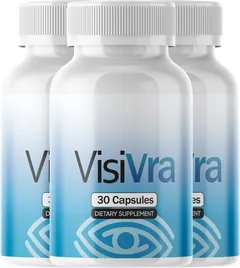
Do Eye Supplements Really Work? An Evidence-Based Answer
Strong evidence
- AREDS/AREDS2 formulas for intermediate AMD (NEI)
- Lutein and zeaxanthin raising macular pigment (PubMed)
Moderate or limited evidence
- Astaxanthin for eye fatigue
- Omega-3s for dry eye (mixed)
- Bilberry for night vision (weak, per NCCIH)
What they can't do
Reverse glaucoma, cure cataracts or eliminate the need for glasses. Be wary of such claims (NCCIH).
Why some people swear by them
Personal experiences vary for real and psychological reasons. People with low carotenoid intake may genuinely notice changes as their levels rise. Starting a supplement often coincides with other improvements, such as more breaks, better sleep or new glasses. The placebo effect is strong for subjective symptoms like eye fatigue. That's why controlled trials matter: they separate real effects from expectation.
How to run your own fair trial
- Record baseline symptoms for one week.
- Change only one thing: start the supplement.
- Take it daily with food for at least 8-12 weeks.
- Rate symptoms weekly using the same scale.
- Compare honestly at the end.
If you notice no difference after a fair trial, the supplement probably isn't worth continuing for you. A refund policy such as Visivra's 60-day guarantee makes this low-risk.
Supplements vs medical treatment
Supplements support nutrition. Medical treatments target disease. Wet AMD needs injections, glaucoma needs pressure-lowering drops or surgery, cataracts need surgery, and diabetic retinopathy needs blood sugar control and sometimes laser or injections. Skipping or delaying these treatments in favour of supplements can lead to permanent vision loss. The NCCIH stresses telling your doctors about all supplements you use.
Getting the most from any eye supplement
- Choose one with research-backed ingredients
- Take it consistently with a meal containing fat
- Combine it with diet and screen habits
- Keep up regular eye exams
- Reassess after 3 months
See how long eye supplements take to work.
The evidence pyramid explained
Not all evidence is equal. At the top are systematic reviews and large randomised controlled trials, such as AREDS2. Below them are smaller randomised trials, then observational studies that find associations but cannot prove cause and effect. At the bottom are laboratory studies, animal studies, anecdotes and testimonials. Many supplement marketing claims rely on lower-level evidence. When judging an eye supplement, ask which level of evidence supports each ingredient. Lutein and zeaxanthin have high-level evidence for specific uses, while some botanical extracts rely mainly on traditional use and small studies.
Why supplement quality varies
Dietary supplements are regulated differently from medicines. Manufacturers must follow good manufacturing practices and must not make disease-treatment claims, but products are not approved for effectiveness before sale. Independent testing has sometimes found that supplements contain different amounts of ingredients than labelled. To reduce risk, choose products from companies that follow GMP standards, list ingredient amounts clearly and provide contact details and refund policies. The NIH Office of Dietary Supplements offers guidance on choosing supplements wisely.
A balanced conclusion
Eye supplements are neither miracle cures nor useless. For people with intermediate AMD, AREDS2 formulas are backed by strong evidence. For people with low dietary intake, lutein and zeaxanthin supplements reliably raise macular pigment. Some ingredients, such as astaxanthin, show promise for comfort. Others have limited evidence. The best results come from combining good nutrition, healthy habits, regular eye exams and, where appropriate, a well-chosen supplement. Use refund guarantees and honest self-tracking to decide whether a product works for you. Read our Visivra review.
Questions to ask before buying
Before spending money on any eye supplement, ask yourself a few questions. What exactly do I want it to help with: comfort, glare, long-term macular health or a diagnosed condition? Does the evidence support the ingredients for that purpose? Is my diet already rich in these nutrients? Have I had an eye exam to rule out conditions that need treatment? Will the product interact with my medications? Is there a refund policy if it does not suit me? Answering honestly helps you choose the right product, or decide that you do not need one. For many people, a combination of better habits and a well-chosen lutein-based supplement is a sensible approach. The NCCIH provides a helpful framework for making these decisions, and our eye vitamins buyer's guide compares the main nutrients.
How to judge a brand
Check ingredients against research, look for clear labels and a refund policy. Read our Visivra review and does Visivra work.
Frequently Asked Questions
Are eye vitamins a waste of money?
Not for people with low intake or AMD; less useful if your diet is already rich.
Can supplements replace eye drops?
No, they serve different purposes.
Do eye supplements have side effects?
Usually mild; see our side effects guide.
Do eye supplements help with glaucoma?
No supplement is proven to treat glaucoma; follow your eye doctor's treatment.
Do cheap and expensive eye supplements work the same?
Ingredients and doses matter more than price.
Sources
- National Eye Institute: Age-Related Eye Disease Studies (AREDS/AREDS2)
- PubMed: Lutein, zeaxanthin and macular pigment optical density
- NCCIH: Bilberry
- NCCIH: Using Dietary Supplements Wisely
This article is for general education and is not medical advice. Back to the Visivra official guide or see current Visivra pricing.