Eye Health After 40: 9 Habits to Protect Your Vision
9 habits
- Get a baseline dilated exam
- Update glasses for presbyopia
- Use the 20-20-20 rule
- Wear UV400 sunglasses
- Eat greens, eggs and fish
- Exercise regularly
- Control blood pressure and blood sugar
- Don't smoke
- Consider lutein and zeaxanthin
Why 40 is a turning point
The lens stiffens, and many people first notice trouble reading menus. The NEI encourages knowing your family history of eye disease.
Your first presbyopia glasses
Most people first notice presbyopia when they hold a phone or menu farther away to read it. Options include over-the-counter readers for occasional use, prescription single-vision readers, progressive lenses for all distances, or multifocal contact lenses. If you also work at a computer, ask about intermediate or 'office' lenses. An eye exam also checks eye health, which readers from a pharmacy can't do (NEI).
Know your family history
Glaucoma and macular degeneration both run in families. Ask relatives whether anyone has had these conditions, been treated with eye injections or drops, or lost vision. Share this with your eye doctor. It may mean earlier or more frequent screening. Glaucoma often has no symptoms until significant vision is lost, so early checks are essential (NEI).
Screens after 40
Eye strain often gets worse after 40 because the eye's focusing reserve is shrinking. Increase text size, move screens a little farther away and make sure your glasses suit computer distance. Follow the 20-20-20 rule and see digital eye strain relief.
Nutrition priorities after 40
- Leafy greens several times a week for lutein
- Fish twice a week
- Fruit and peppers for vitamin C
- Nuts and seeds for vitamin E and zinc
- Limit processed foods and added sugar
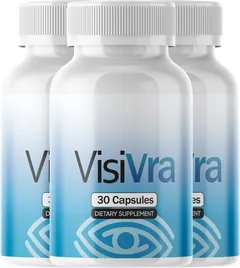
If your diet is inconsistent, a daily lutein-based formula such as Visivra is a simple top-up.
Hormones and eye health after 40
Hormonal changes in midlife can affect the eyes, especially for women. During perimenopause and menopause, falling hormone levels can reduce tear production and change the oily layer of the tear film, making dry eye more common. Some women also notice changes in contact lens comfort. If you develop dry, gritty or burning eyes in midlife, talk to your eye doctor about treatment options such as artificial tears, eyelid care or prescription drops. Staying hydrated, using a humidifier and taking screen breaks also help.
Blood pressure checks are eye checks
High blood pressure often has no symptoms, but it can damage small blood vessels in the retina, a condition called hypertensive retinopathy. It also increases the risk of retinal vein occlusion and is linked to other eye conditions. Having your blood pressure checked regularly from your 40s onwards protects your eyes as well as your heart, brain and kidneys. During a dilated eye exam, your eye doctor can sometimes see early signs of high blood pressure in the retina, which is another good reason to keep up regular exams.
Creating your 40-plus eye plan
A simple plan can keep your eyes healthy through your 40s and beyond. Schedule a comprehensive eye exam and repeat it as advised. Update your glasses when reading becomes difficult. Follow good screen habits and protect your eyes outdoors. Eat leafy greens, colourful vegetables, eggs and fish regularly. Check blood pressure, blood sugar and cholesterol with your doctor. Do not smoke. Consider an eye supplement if your diet is lacking, and review all supplements with your doctor. Revisit your plan each year. See age-related vision changes.
Protecting your eyes at work and play
Eye injuries are common in midlife, often during DIY projects, gardening, sports and household chores. Wear safety glasses when using power tools, mowing, trimming hedges or working with chemicals. Choose protective eyewear designed for racquet sports such as squash and pickleball, which have a high rate of eye injuries. In bright sunlight, wear sunglasses that block 100 percent of UV rays, and consider polarised lenses for driving and water sports. If something gets into your eye, avoid rubbing it and rinse with clean water. Seek medical care for chemical splashes, cuts or any injury that affects vision. These simple habits prevent many injuries that could permanently affect your sight. See natural ways to support vision for more everyday protection tips and the National Eye Institute for official guidance.
Supplements
If your diet is low in carotenoids, Visivra provides lutein, zeaxanthin and more. See do eye supplements really work.
Frequently Asked Questions
Do I need reading glasses at 40?
Many people start needing them between 40 and 45.
Should I take eye vitamins at 40?
Diet comes first; supplements can fill gaps.
How often should I get an eye exam after 40?
Follow your eye doctor's advice, often every 1-2 years.
Can I prevent presbyopia?
No. It's a natural aging change, but it's easily corrected.
Are eye floaters normal after 40?
Occasional floaters are common; sudden new floaters need urgent checking.
Sources
- National Eye Institute: Presbyopia
- National Eye Institute: Keep Your Eyes Healthy
- National Eye Institute: Get a Dilated Eye Exam
This article is for general education and is not medical advice. Back to the Visivra official guide or see current Visivra pricing.